
The cost of reaching EPC C for a rental property
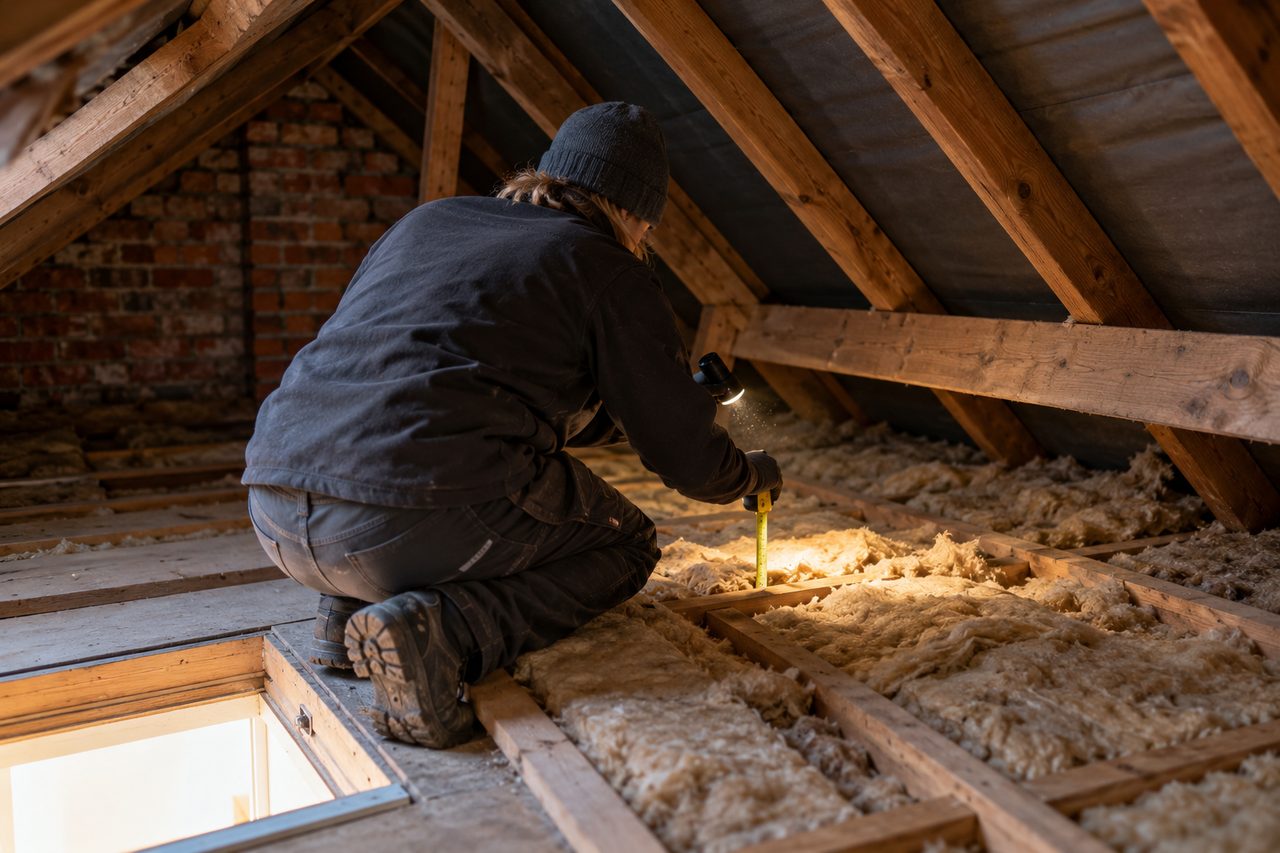
The cost of reaching EPC C varies hugely by home. The government expects an average of £5,400 per property. Landlords surveyed guess £11,713. This guide sets the published figures side by side, explains the gap and shows what moves your own number. It is a guide, not a quote.
Published 21 October 2026. Last updated: 21 October 2026. Reviewed by Yasir Khan, Retrofit Coordinator at LAMTANS Engineering.
Law status, checked 21 October 2026: the EPC C by 1 October 2030 rule is confirmed government policy, not yet law. The cap of £10,000 per property is also confirmed policy.
Get a costed plan for my property
The cost of reaching EPC C: what the government expects
The government's impact assessment estimates an average spend of about £5,400 per property that falls below the standard. That is an average across homes. Some will cost far less and some far more.
The cap is separate. It limits what any landlord must spend to £10,000 per property. Our cost cap and exemptions guide explains how it is counted.
Cost to upgrade a rental to EPC C: what landlords expect
A survey of landlords reported by Mortgage Solutions in June 2026 found an average expected cost of £11,713. That is more than double the government figure.
Other evidence points the other way. Eco Approach analysed more than 200,000 properties and found an average of about £5,500. A third of those homes cost less than £1,500. The Mortgage Works estimated that a third of its own landlords could reach C for £1,500 or less.
Why the two numbers are so far apart
Three reasons explain most of the gap. The first two are our reading of the sources; the third is from survey data.
- Landlords picture the worst case. A solid-walled Victorian terrace needs expensive wall insulation. Many rentals do not.
- Averages hide the spread. The mean is pulled up by a minority of costly homes, while a large share need only small fixes.
- Uncertainty. A Censuswide survey of 1,000 landlords for The Mortgage Works, reported by Nationwide, found 63% of those with a sub-C property were unsure what it would cost.
Uncertainty makes people assume the worst. A property-level assessment replaces the guess with a costed list. That list is your own EPC C cost estimate.
Average cost of EPC C upgrades by property type, age and band
The English Housing Survey 2024 costed the measures needed to lift English homes below band C up to band C. Figures are averages per home. They cover all tenures unless stated.
| Group | Average cost to reach band C |
|---|---|
| Private rented homes (all types) | £7,040 |
| Built before 1919 | £10,728 |
| Built 1919 to 1944 | £7,143 |
| Detached | £9,464 |
| Medium or large terraced | £8,075 |
| Converted flats | £7,167 |
| Purpose-built low-rise flats | £4,193 |
| Currently rated D | £6,002 |
| Currently rated E | £12,430 |
| Currently rated F or G | £17,354 |
Source: English Housing Survey 2024 to 2025, energy efficiency chapter, checked 21 October 2026. Band C here means a SAP rating of 68.5 or more on today's method. The 2030 rule will use a new certificate, so treat these as a guide to scale, not a forecast.
What the table tells a landlord
Your starting band matters most. A D-rated home averages about £6,000, close to the government's figure. An F or G home averages nearly three times that. Age and type come next.
Flats cost far less than houses. Pre-1919 homes cost most, because solid walls are common.
What drives the EPC C upgrade cost of your own property
Four things decide the final figure. Each has its own page.
Walls
Walls usually carry the biggest bill. Cavity walls can often be filled at modest cost. Solid walls need internal or external insulation, which costs far more. See solid wall insulation.
Roof and loft
A loft with little insulation is one of the cheaper fixes. Check the depth you have first. See loft insulation.
Heating and controls
Replacing an old system or adding controls changes the heating score. The new EPC counts fabric first, so heating alone rarely does the job.
Starting point
A home one step below C needs less than one two steps below. The order of work, covered in how to improve an EPC rating, keeps spend down.
From prices for common upgrades
We publish only researched starting prices, with the basis and date, because every job needs a site visit first.
Indicative prices from, based on UK market research in 2026: loft insulation from £800, cavity wall insulation from £1,800, internal wall insulation from £5,000, draught-proofing from £350 and heating controls from £350. These are not quotes: a written quote after a survey is the confirmed price.
Until those are added, use the survey averages above as a guide and ask for a written plan.
How grants change what you pay
Grants lower your bill but also use up part of the cap. In Greater Manchester, a landlord's first property can receive up to £30,000 in grant if the property and tenant qualify. Our grants for landlords guide has the rules.
Finance may be available through Ideal4Finance, subject to status. Finance is available through our partner Ideal4Finance: 0% APR over 3 to 60 months, or 10.9% APR over 120 months. A deposit might be payable, and we will agree this before you begin your application. LAMTANS ENGINEERING LTD is an Introducer Appointed Representative of Ideal Sales Solutions Ltd, t/a Ideal4Finance. Ideal Sales Solutions Ltd is a credit broker and not a lender (FRN 703401). The rate offered is always provisional and will depend upon your personal circumstances, the loan amount and the term.
How to get a number you can trust
Follow this order to replace guesswork with a figure.
- Find the current EPC and note its band and date.
- Run the will my property reach C tool for a first indication.
- Book an assessment so the plan lists measures and costs for your property.
- Compare quotes line by line, including VAT.
- Keep the invoices. Spend since 1 October 2025 can count towards the cap.
Our adviser tip, from a Retrofit Coordinator: ask every quote to separate the fabric measures from the heating measures. You can then see whether the cheapest route is the fabric you can finish this year.
Who we are
Compliant Lets is a trading name of LAMTANS Holdings Ltd. Retrofit work is delivered by LAMTANS Engineering Ltd. Check the registers yourself: TrustMark, RECC, ICO, Gas Safe Register and Simply Certification.
Book a free retrofit assessment
Sources
- GOV.UK: Improving the energy performance of privately rented homes, government response, checked 21 October 2026
- GOV.UK: English Housing Survey 2024 to 2025, energy efficiency, checked 21 October 2026
- Mortgage Solutions: Landlords' £11,000 EPC upgrade fears are overstated, 23 June 2026, checked 21 October 2026
- Nationwide: Landlord knowledge gap on energy efficiency, checked 21 October 2026
- GMCA: Warm Homes Local Grant, privately rented scheme, checked 21 October 2026
Designed & developed by LAMTANS Technologies LLC, USA — part of the LAMTANS Group
Frequently asked questions
How much will it cost to get my rental to EPC C?
It depends on the home. The government expects an average of about £5,400. English Housing Survey figures show D-rated homes average about £6,000 and F or G homes about £17,000. A property assessment gives your number.
Why do landlords expect £11,713?
That is the average from a survey reported in June 2026. Landlords may be picturing the costliest homes, and many are unsure of costs. Large-scale analysis found an average near £5,500.
Is there a maximum I have to spend?
Yes. The government has confirmed a cap of £10,000 per property. This is policy, not yet law. Homes valued under £100,000 have a lower cap of 10% of value.
Which homes cost the most to upgrade?
Pre-1919 houses, detached houses and homes rated F or G. Survey averages are £10,728 for pre-1919 homes and £17,354 for F or G. Purpose-built flats cost far less.
Do survey costs match the new EPC?
Not exactly. The survey costs measures to reach band C on today's method. The 2030 rule will use a new certificate with several metrics, so use the figures as a guide to scale.
Can grants cover the cost?
In some cases. Greater Manchester's Warm Homes: Local Grant can cover up to £30,000 for a qualifying first property. Grant funding also counts towards the £10,000 cap.
Are flats cheaper to bring up to C?
On average, yes. Purpose-built low-rise flats average £4,193 in the survey. Converted flats average £7,167. Your own figure depends on walls, roof and heating.